Everything you read here is documented. Names, dates, results and figures come from the sources listed at the bottom of the page; only the opening dispatch is dramatised.
1The city of knives and footballs
In 1867 Sheffield is the world capital of steel and cutlery: smoke, forges, blade works. And it is also, without knowing it, the cradle of organised football.
Sheffield FC was founded here in 1857 and is now recognised as the oldest club in the world. Hallam followed in 1860, playing at Sandygate, a ground that is still there and is considered the oldest football ground in the world still in use. When the Football Association is founded in London in 1863, Sheffield already has its own code and keeps it: the Sheffield Rules.
In Sheffield, when a match ends level on goals, the rouges are counted. Only one thing is missing: a real competition, with a draw and a trophy. It will be invented not by a footballer, but by a man of the theatre.
2The impresario who invented the cup
Thomas Youdan owns the Surrey Theatre in West Bar, a music hall where working-class Sheffield goes in the evening to laugh and sing. On 25 March 1865 the theatre burns down. Youdan has a nose for an audience, and he has seen that football draws more people every season.
So he puts up a silver trophy. On 28 January 1867, at the Adelphi Hotel, representatives of thirteen clubs form the Youdan Prize Committee. The rules are clear: straight knockout, kick-off at three in the afternoon, twelve players a side, two goal umpires and a referee in the middle.
There is even a competition to design the cup: the winner receives a gold sovereign. Football becomes a show, with a prize, a programme and an impresario. A showman's idea, four years before London invents the FA Cup.
3Twelve clubs, twelve neighbourhoods
Twelve teams enter, and each tells the story of a piece of Sheffield. Sheffield FC, the oldest club of all, does not take part.
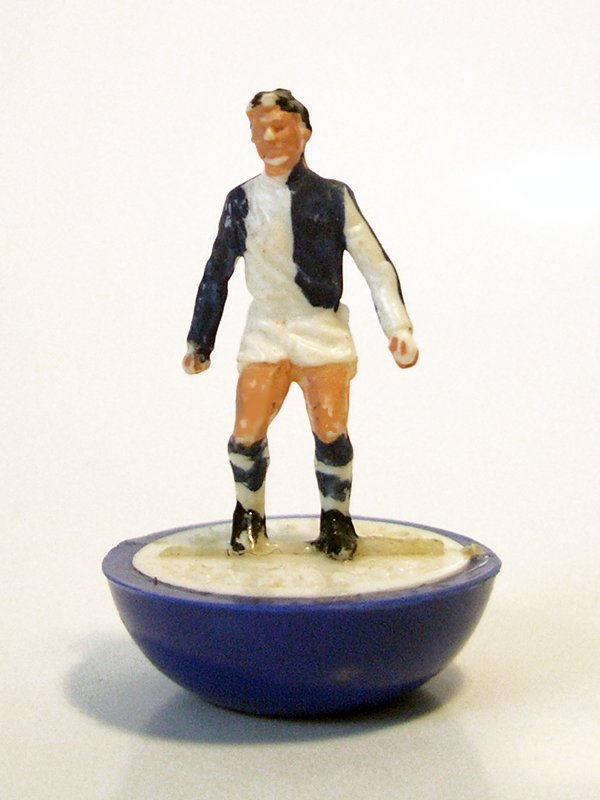
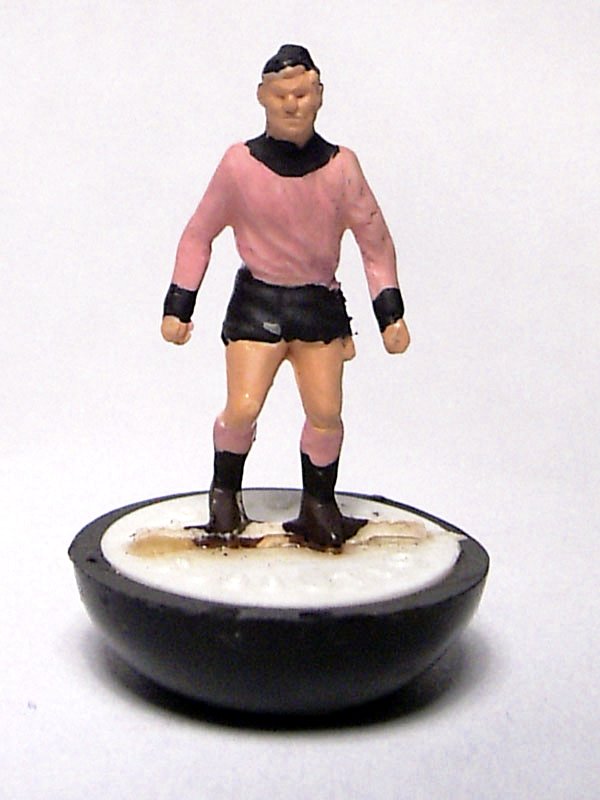
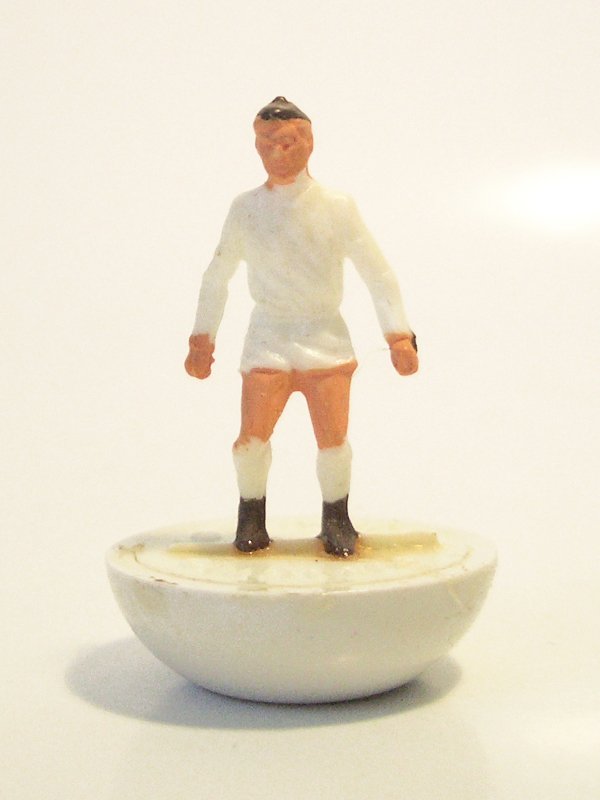
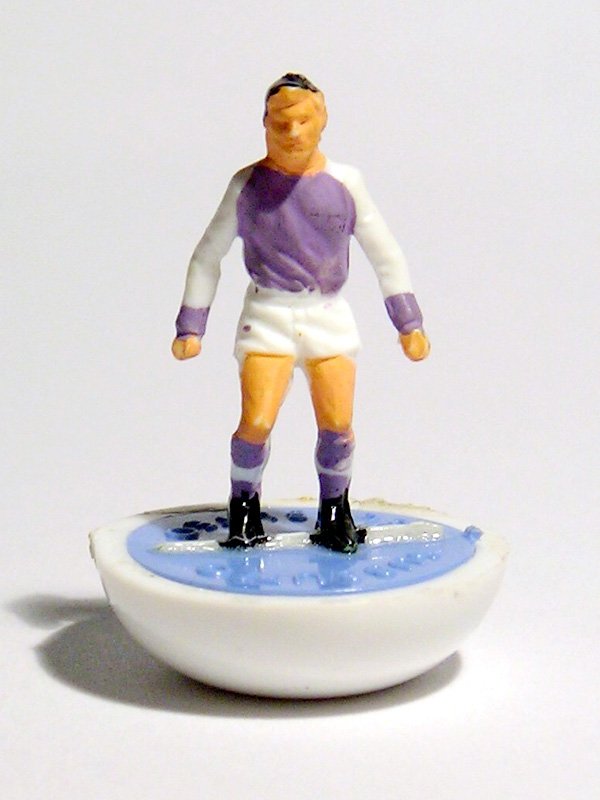
There is Hallam, the gentlemen from the hill, in blue and white. There is Norfolk, who play at Norfolk Park and on whose land Bramall Lane was built. There is Mackenzie, founded in a confectioner's shop on the Moor, in pink shirts and Scottish caps: they reach 500 members, a crowd for the time.
Garrick and Wellington were founded in pubs, the first football clubs to come out of a tavern. Pitsmoor, founded by cricketing gentlemen, were perhaps the strongest team in the world in 1863. Fir Vale are credited with the first recorded "screw-kick", the curled shot we now call a banana kick.
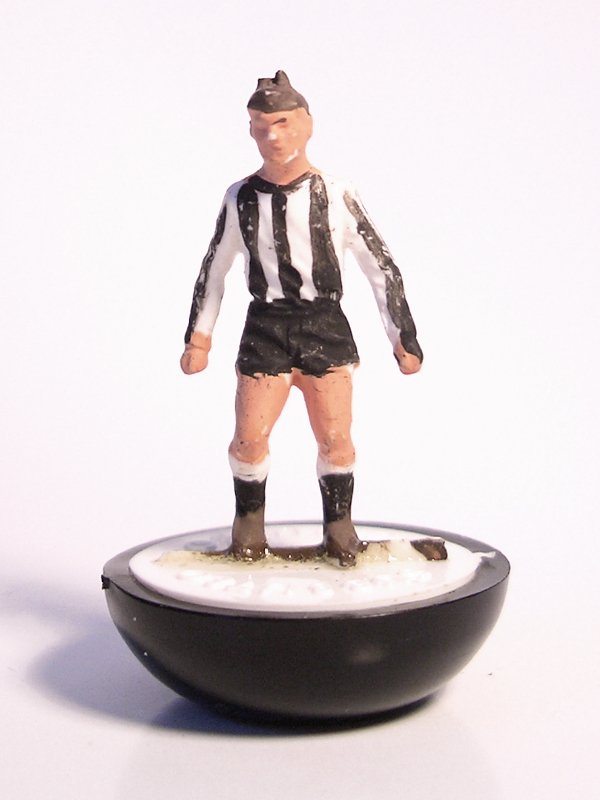
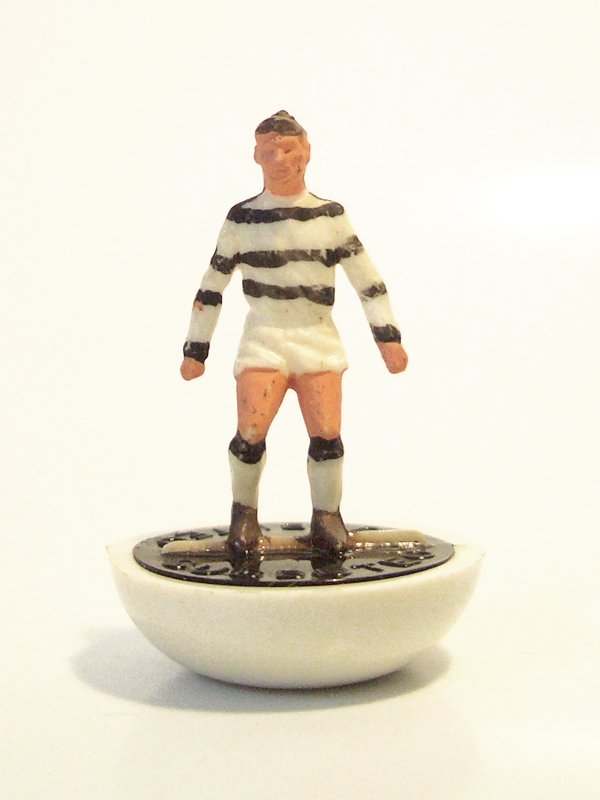
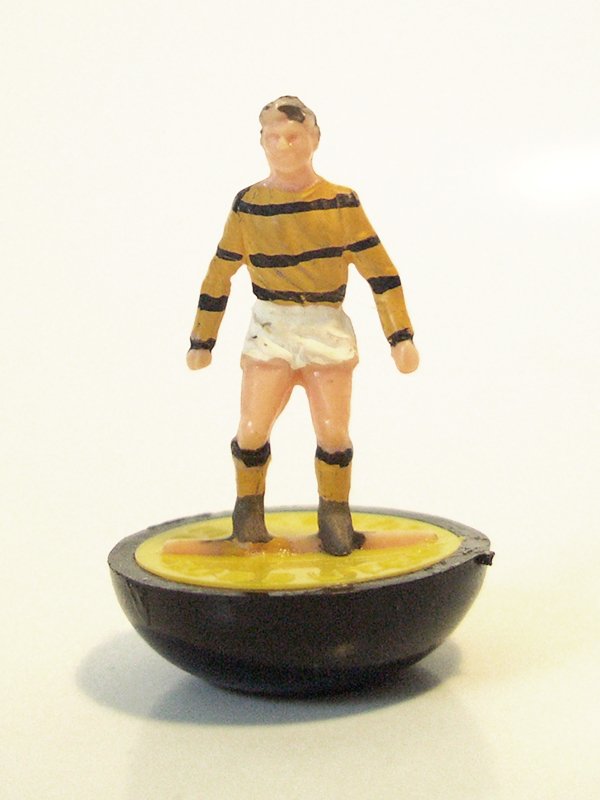
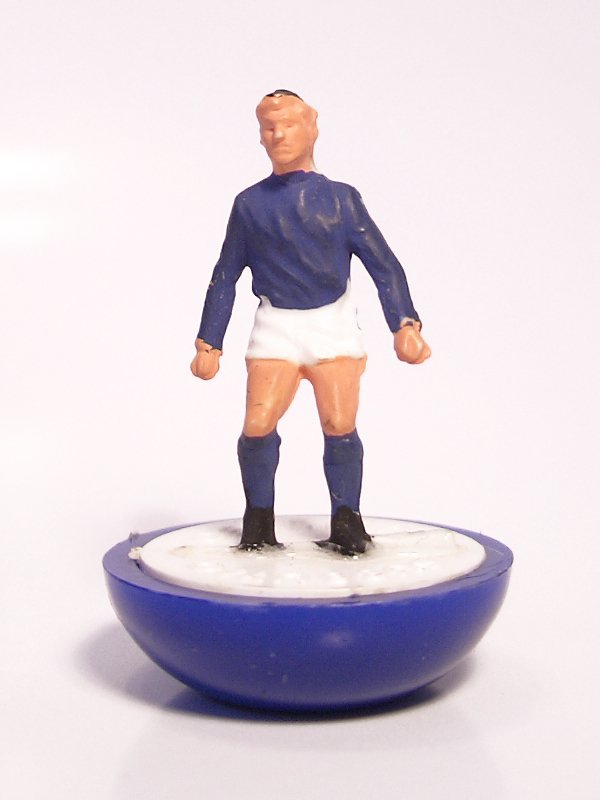
Then Broomhall, the "black and whites" of Ecclesall Road, where J.C. Clegg, the future "Napoleon of football", would begin his career. Milton in yellow and black. Heeley, with a ground described as a mountain on one side and a coal pit on the other. Norton, from the hills to the south. And the United Mechanics, the workmen in blue with white caps.
4The rouge, or the goal that wasn't a goal
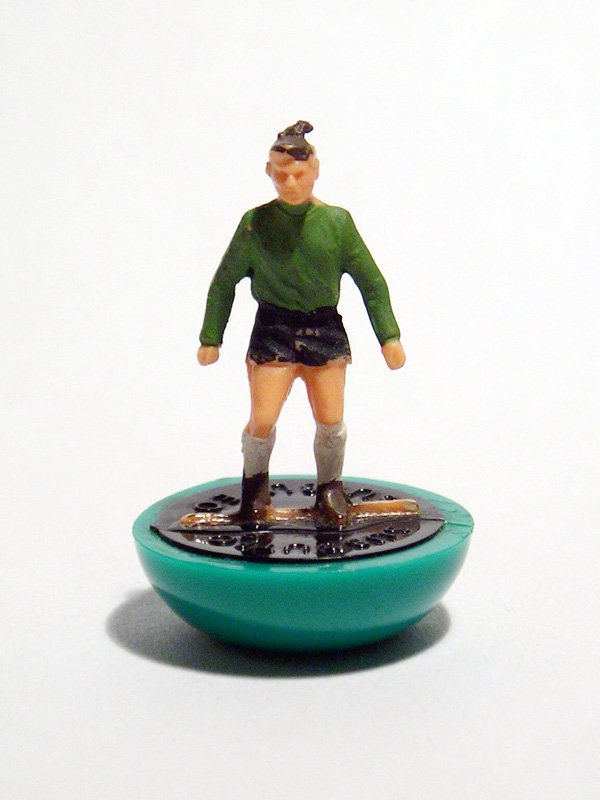
Picture your Subbuteo pitch. Beside each post, about four yards away, plant a flag. If a shot misses the goal but passes between the post and the flag, and an attacker then touches the ball down, the team earns a rouge.
A rouge is not worth a goal. It only counts when the goals are level: then the side with more rouges wins. It is a tie-breaker built into the match, rewarding the side that keeps attacking even when its aim lets it down.
In the Youdan Cup it becomes the real star. Thirteen matches are played and just 10 goals are scored. Seven matches end goalless, and six of those are decided by rouges. Including the final.
The day after the final, on 6 March 1867, the newly formed Sheffield FA publishes its first official rules. And it changes the rouge: the ball no longer has to be touched down, it is enough for it to pass between the flags. The Youdan Cup final, in other words, was decided by the "old-style" rouge on the very last day it existed.
5Two and a half hours at Norton
On 16 February six matches are played at the same time. Milton thrash Wellington with two goals and five rouges, Norton beat the United Mechanics with six rouges and a dislocated shoulder: John Hadfield's. Hallam knock out Heeley 2-0 on their Sandygate ground.
On 23 February comes the second round. Norfolk get past Broomhall with a goal in extra time, Mackenzie knock out Milton by one rouge. But the match all Sheffield will remember is Norton v Hallam.
It is played at Norton, on the fields of The Oakes. Ninety minutes without a goal, then extra time: a full hour in which the first to score wins. Nobody scores. Two and a half hours of football, and the match has to be replayed.
The replay, two days later, draws about 3,000 spectators. Norton press, Hallam hold out, and in the end they go through by a single rouge. According to Sheffield Home of Football, that is a bigger crowd than any cup final played until 1878.
Three teams remain: Hallam, Norfolk and Mackenzie. A draw sends Norfolk straight to the final. On 2 March, at Bramall Lane, Hallam overwhelm Mackenzie by four rouges to nil.
6The final without a goal
Back to Bramall Lane, on that Shrove Tuesday. Norfolk have the wind behind them but cannot break through. Then the game turns, and Hallam take control.
A shot by Elliott flies over the Norfolk goal, and H. Ash is quickest to touch the ball down: the first rouge. The second comes when Norfolk leave their goal unguarded. Shortly afterwards the referee calls time. Nil-nil in goals, two rouges to nil: Hallam have won the first football tournament in history.
But that is not the end. On 9 March, again at Bramall Lane, Norfolk and Mackenzie play for second place. Mackenzie play better, the reports say, but lose by one rouge. Norfolk receive a goblet decorated with figures of athletes, paid for with the threepenny tickets from the semi-final and the final.
On 11 March the presentation dinner is held at the Adelphi Hotel. Thomas Youdan is not there: he is ill. Nor is the real cup: it is not ready. Hallam are handed a ready-made piece of silverware engraved "Football Challenge Cup".
7A hundred and thirty years in the attic
Then the cup disappears. The decades pass, the FA Cup, the Football League and the leagues of half the world are born. Nothing more is heard of Youdan's trophy.
In 1997 a Scottish antiques dealer contacts Hallam: he has found the cup. The club buys it back for a sum the sources put at between £1,600 and £2,000.
Today that trophy is worth far more. On an episode of Antiques Roadshow it was valued at £100,000 or more, and in 2023 an auction house valued it at £350,000 for insurance purposes. Hallam have said it is not for sale.
There is also a detail for fussy collectors. For years it was described as a claret jug. According to the 2023 valuer, the ivory handles tell a different story: it is a Victorian coffee pot, or a hot-water jug. Football's first trophy, it seems, may have been part of a breakfast set.
— the end —